According to a report by PlanetSKI, the landscape for summer skiing in the Alps is evolving as resorts recalibrate their operational windows. Changing weather patterns and snowpack conditions remain the primary drivers for these scheduling shifts.
Alpine Glacier Updates
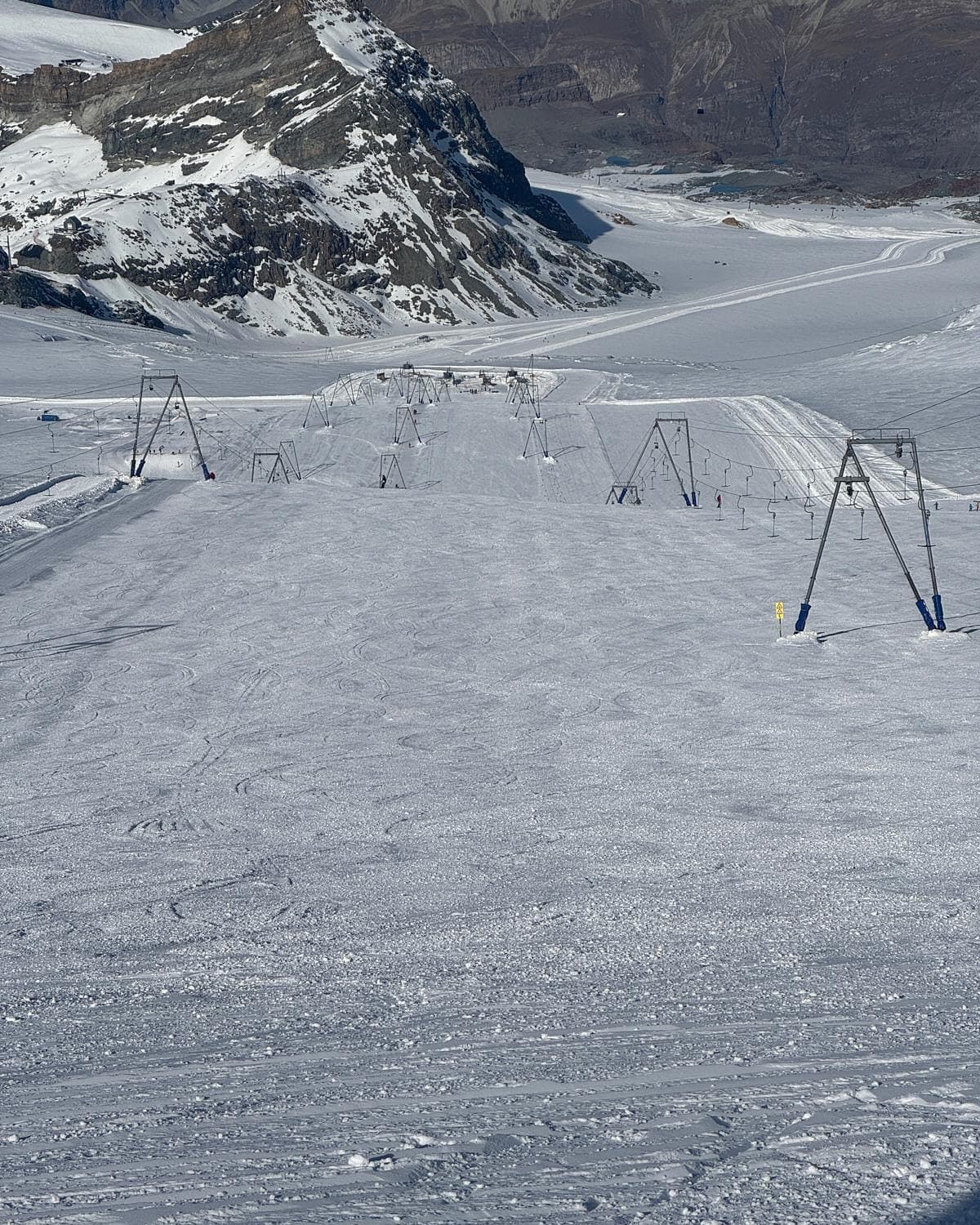
Zermatt/Cervinia now holds the unique distinction of being the only Alpine ski destination with the goal of providing 365 days of skiing per year, supported by recent infrastructure improvements that enhance lift access. Conversely, the Austrian resort of Hintertux, once a stalwart of year-round operation, has announced a seasonal closure for July 26, 2026. Resort officials noted that summer activities will pivot away from the slopes following this date, with a projected restart scheduled for September and the annual park opening slated for early October.
Other notable Alpine summer operations include:
- Saas-Fee, Switzerland: Scheduled to open from July 18th to October 31st.
- Tignes, France: Operating from June 20th to July 19th.
- Les 2 Alpes, France: Currently reporting excellent conditions with 70cm of fresh snow recorded in early May. Operations are slated to continue until July 5th.
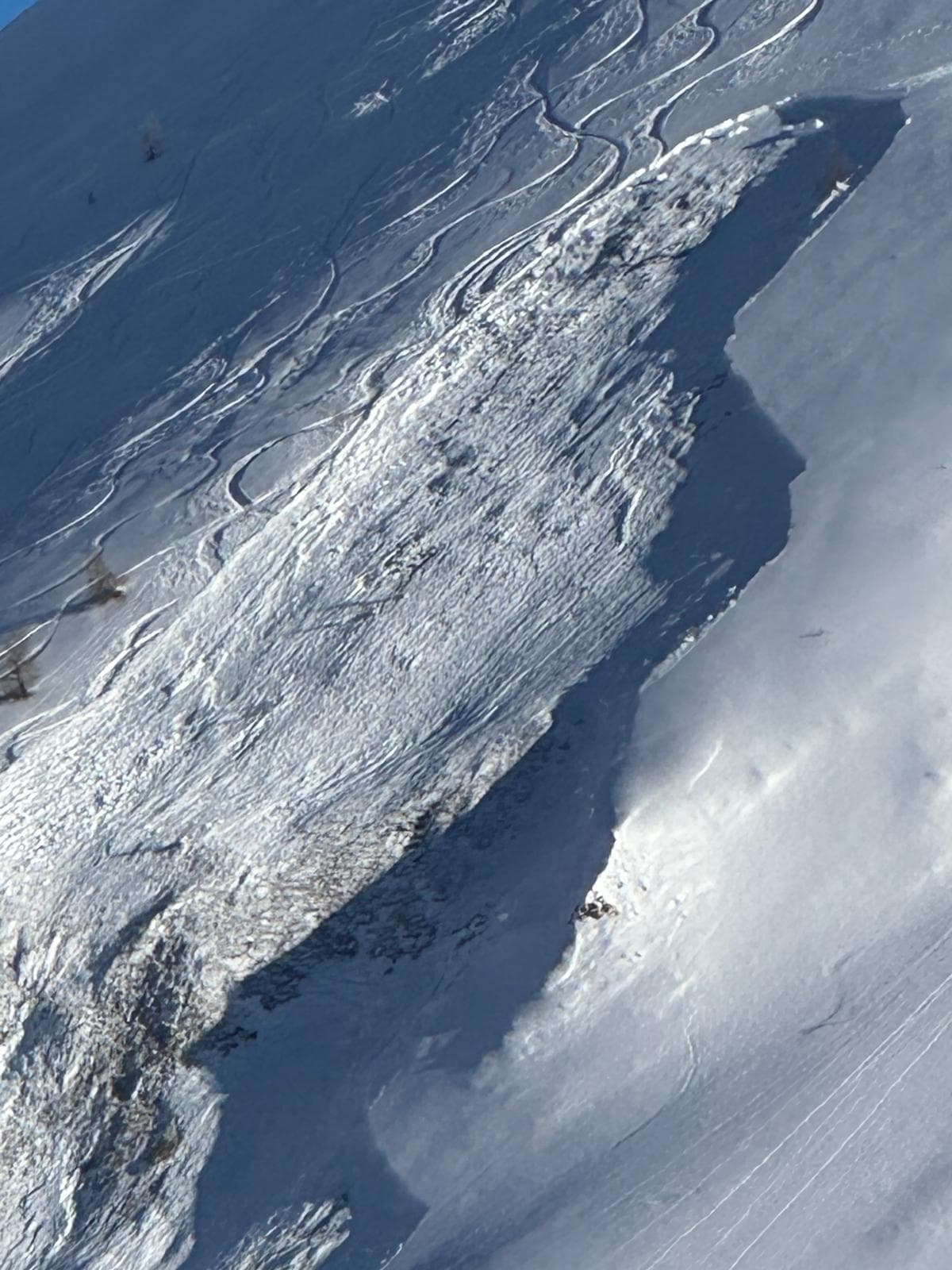
Meteorologist Fraser Wilkin of weathertoki.co.uk notes that while most Alpine glaciers currently report lower-than-average snow depths for mid-May, upcoming precipitation forecasts are expected to provide necessary replenishment.
North American Operations
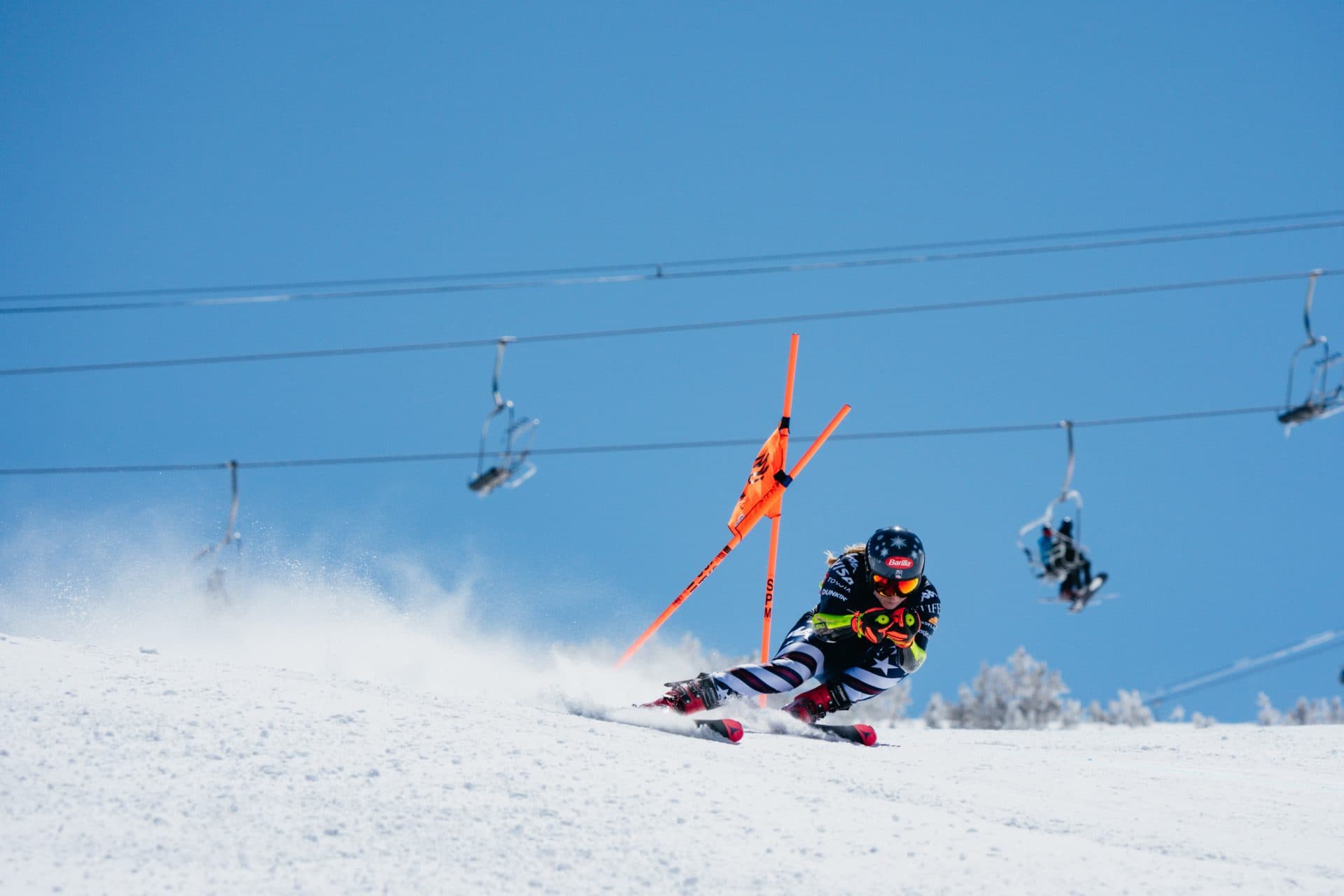
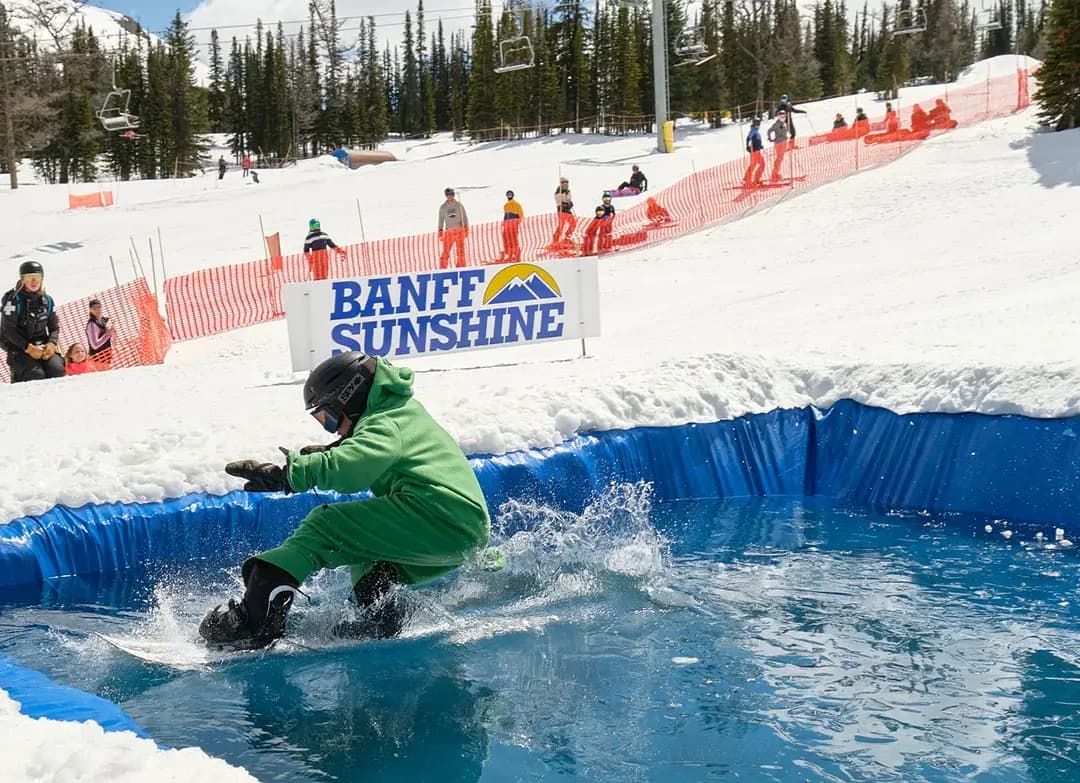
Across the Atlantic, Sunshine Village in Alberta, Canada, is extending its season following a record-breaking year. The resort plans to conclude its main season on May 18th before reopening for a summer period throughout July. According to Kendra Scurfield, Vice President of Brand and Communications at Sunshine, the summer experience will focus on slushy, high-vibe skiing rather than deep powder, taking advantage of significant snow reserves.
In the United States, several resorts continue to offer spring and summer turns, including Snowbird in Utah, Mammoth Mountain in California, Timberline Lodge in Oregon, and Jay Peak in Vermont.