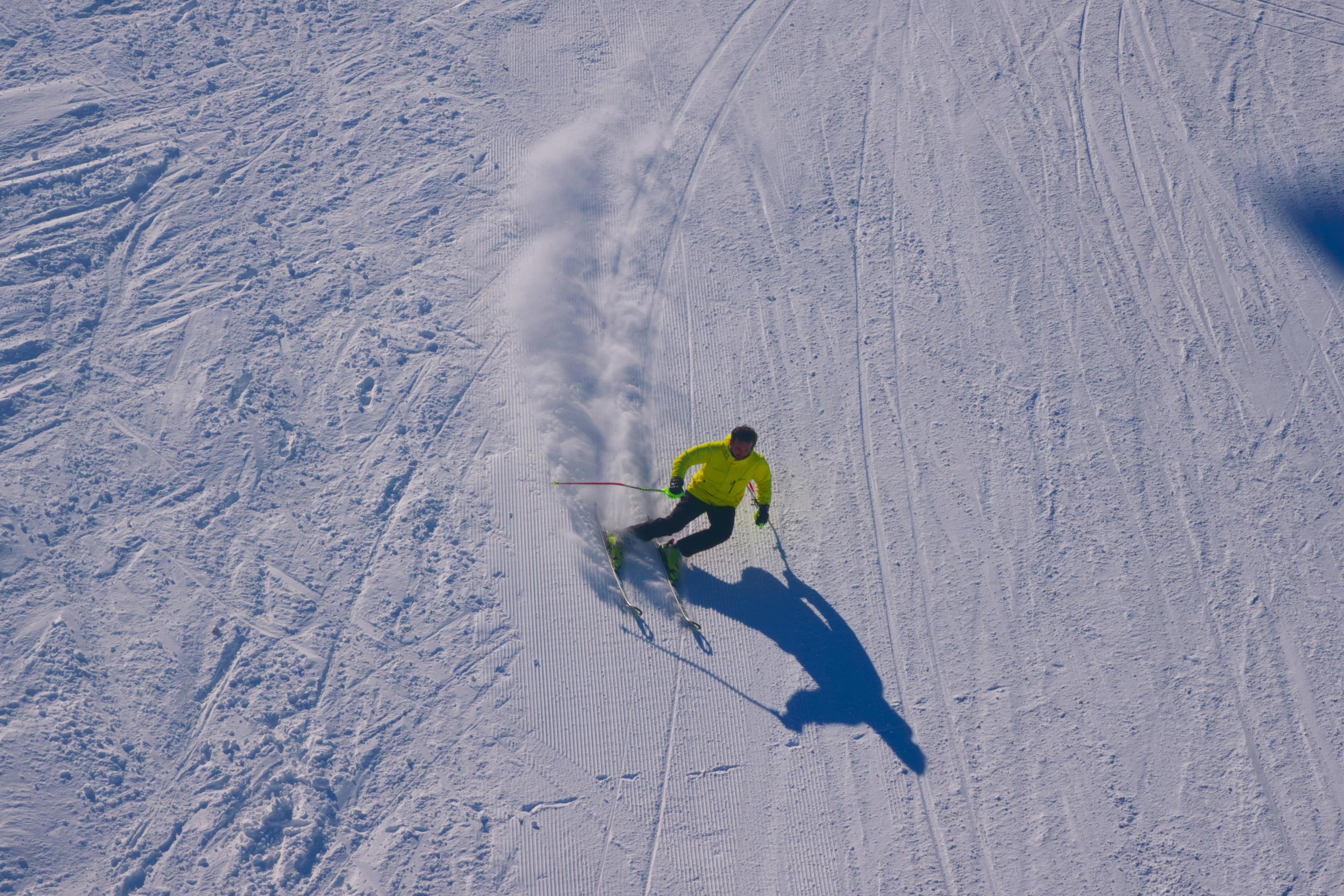
Skiing, like many pursuits influenced by weather and chance, is steeped in superstition. From quirky individual habits to collective rituals aimed at appeasing the snow gods, skiers often engage in practices that go beyond mere practicality.
According to snowbrains.com, one of the most widespread skiing superstitions involves avoiding the phrase "last run." The idea is that uttering these words tempts fate and increases the likelihood of an injury. This belief highlights a common theme in skiing superstitions: a desire to exert some control over the inherent risks of the sport.
Appeasing Ullr: The Tradition of Burning Skis
- Another notable superstition involves burning old skis to summon Ullr, the Norse god of snow.
- This tradition is particularly associated with Telluride, Colorado.
- Outside Magazine reports that the Telluride ski-burning tradition began in the 1980s during a dry spell, initiated by a group called the Epoxy Sisters.
- The practice continues to this day, although modern skis are not recommended for burning due to the toxic chemicals they release when combusted. Wooden skis are the preferred fuel for this snowy sacrifice.
The power of the ski burn was apparently put to the test when Quentin Tarantino was filming "The Hateful Eight" in Telluride. The film, set during a blizzard, was hampered by a lack of snow. After learning about the ski-burning tradition, Tarantino organized one, and Telluride received 29 inches of snow the following weekend, according to snowbrains.com. Whether coincidence or divine intervention, the event solidified the ski burn's place in local lore.

Pole Whacking and Silent Rocks
- The practice of pole whacking, popularized by the ski film G.N.A.R., has also taken on superstitious undertones.
- Many skiers feel uneasy dropping into a steep line without first whacking their poles against the cornice.
- Clicking ski poles together before a run is another common habit.
Another interesting regional superstition is the "silent rock." According to snowbrains.com, this tradition originated at Mt. Hood in the 1980s and has spread to other ski areas. The premise is simple: a specific rock along the road to the ski area is designated the "silent rock." Passengers in vehicles passing the rock must remain completely silent; any noise is believed to bring bad luck on the slopes.

Personal Rituals
Beyond these collective and regional superstitions, many skiers have their own personal rituals. These might involve putting on a specific boot or glove first, wearing a lucky piece of clothing, or following a particular route on the mountain. These personal superstitions, while perhaps not shared by others, provide a sense of control and comfort in an environment where conditions can change rapidly.
Whether these practices have any real effect on snow conditions or skier safety is, of course, debatable. However, they undeniably contribute to the rich and quirky culture of skiing.