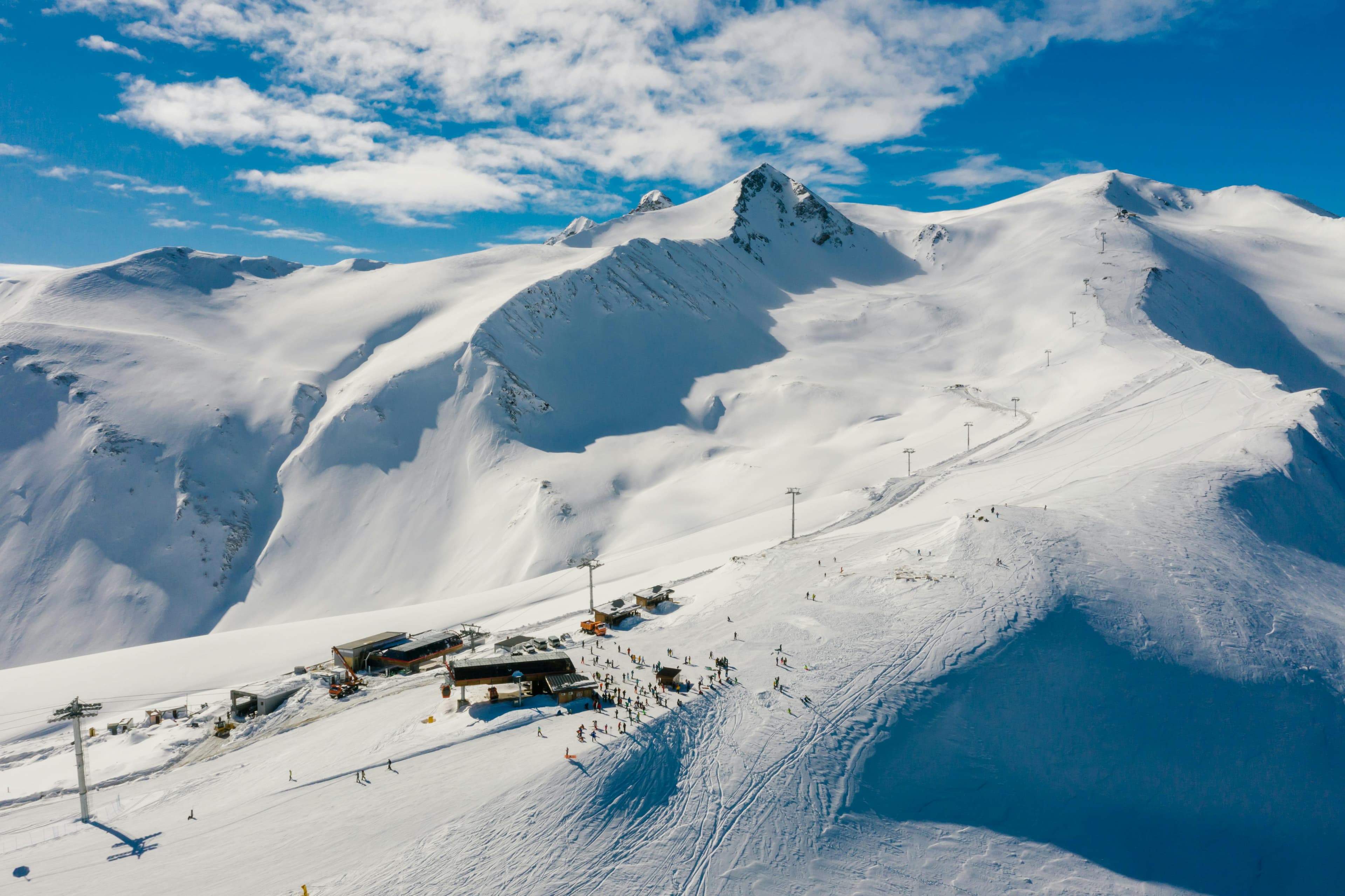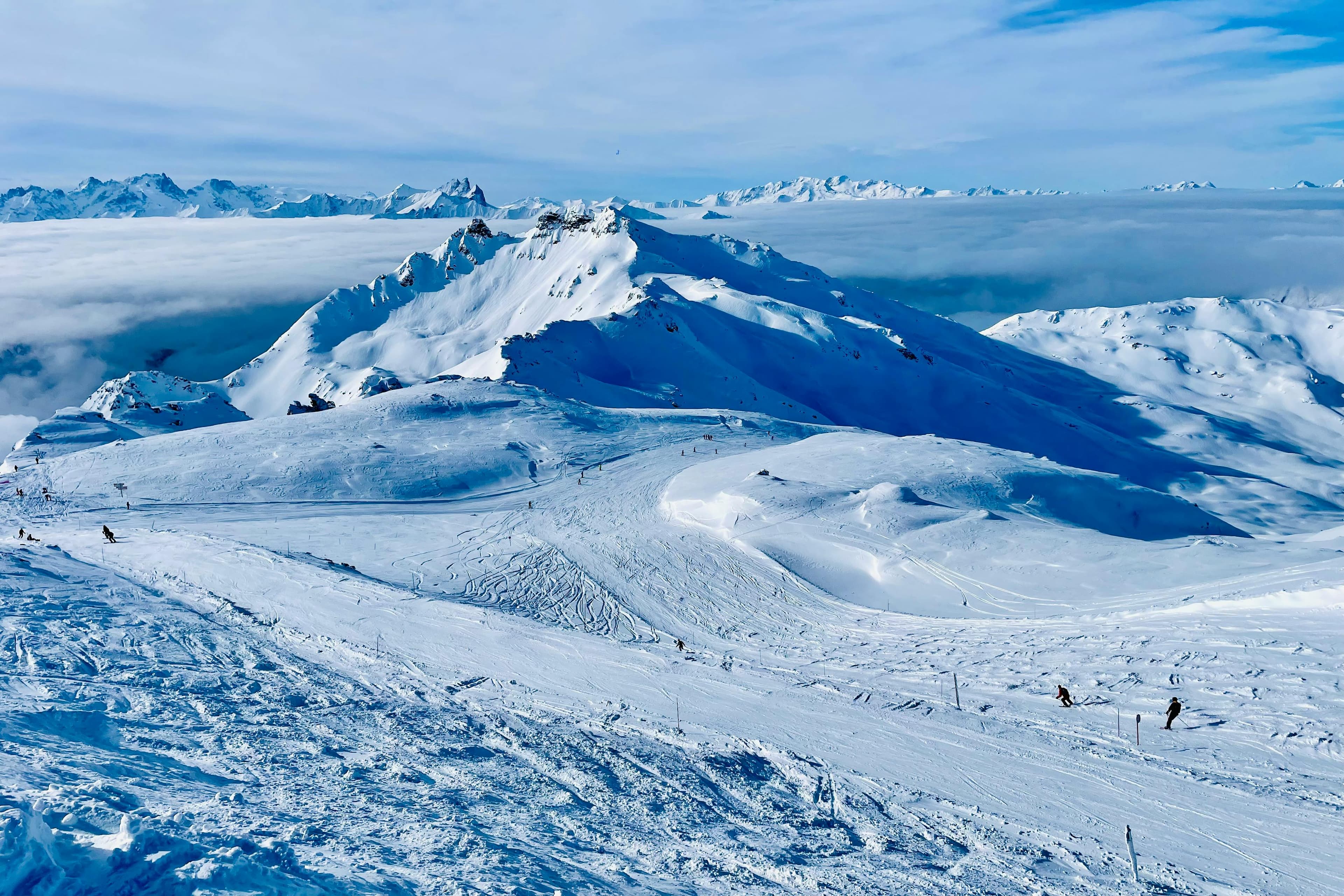
For altitude enthusiasts and high-alpine skiers, the search for the 'highest' resort is a pursuit of thin air and expansive mountain vistas. According to data provided by Skiresort.info, which tracks over 6,000 ski resorts worldwide, the hierarchy of extreme-altitude skiing is led by destinations that prioritize high-elevation lift systems.
The current global leader is the Gulmarg resort in India. Situated in the Kongdoori-Apharwat region, it boasts a peak altitude of 3,980 meters. This location stands out not only for its elevation but for its reliance on high-altitude lift infrastructure that facilitates access to steep, big-mountain terrain. Across the globe, other notable high-altitude destinations include various resorts in the Andes and the Alps, which frequently feature base-to-summit vertical drops exceeding 1,000 meters.
When evaluating these resorts, experts often look at the 'skiable' altitude—the difference between the lowest point and the peak lift station. While some resorts reach extreme heights, the quality of the experience is often dictated by the vertical drop and the total kilometer count of the slopes available at those altitudes. Many of these high-altitude resorts complement their traditional lift-served terrain with specialized services such as heli-skiing or cat-skiing, allowing advanced skiers to access even more remote, high-elevation peaks beyond the reach of standard lifts.
It is important to note that skiing at these altitudes presents unique challenges, including increased solar radiation, potential altitude sickness, and volatile weather patterns. As climate conditions continue to shift, high-altitude resorts are increasingly sought after for their ability to maintain snowpack later into the spring season compared to lower-elevation alternatives.