According to InTheSnow, Sölden once again cemented its reputation as a global hub for alpine entertainment during the 2026 Electric Mountain Festival. From April 13 to April 18, the Austrian ski resort hosted more than 50,000 visitors, transforming the high-altitude slopes into a massive, multi-stage electronic music venue.
A Decade of Alpine Evolution
Organizers emphasized that the event has matured over the past ten years, evolving from a simple concert series into a comprehensive visitor experience. The festival utilized eleven distinct stages spread across the ski area, ranging from the massive open-air arena at Giggijoch to exclusive pop-up sets located over 3,000 meters above sea level on the Gaislachkogl.
Headliners and High-Altitude Performances
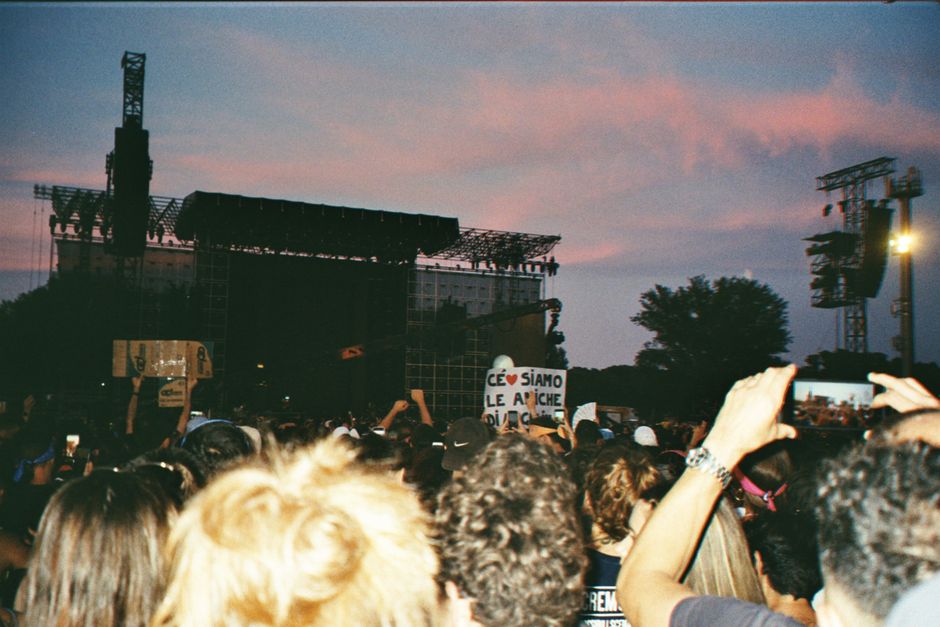
The festival featured a robust lineup of over 15 international acts. Headliners included industry heavyweights such as Lost Frequencies, Lilly Palmer, Timmy Trumpet, and James Hype. A standout moment for attendees and social media followers occurred when Lost Frequencies performed an exclusive, high-altitude set at the ice Q restaurant. The artist documented his journey, including skiing on the Tiefenbach Glacier, to his 1.4 million followers, explicitly confirming the reality of the stunning mountain backdrop.


Logistics and Guest Experience
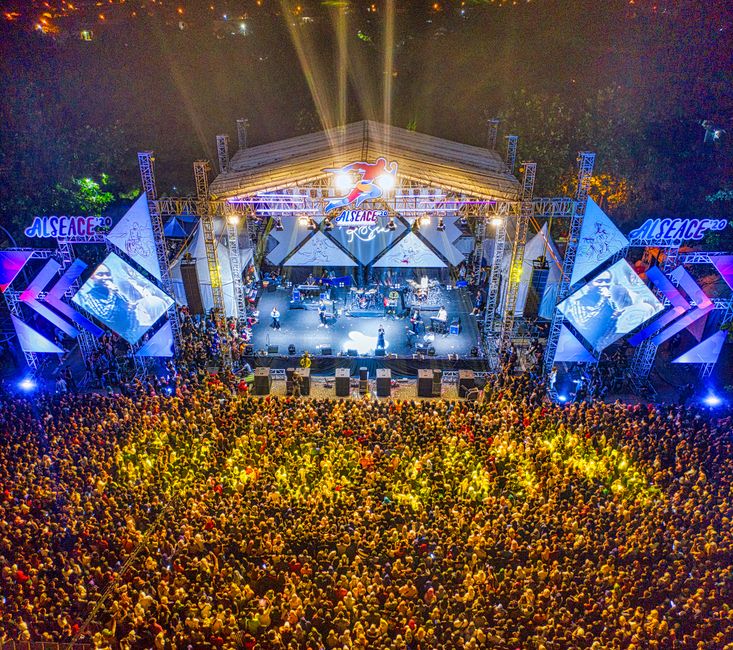
To manage the influx of guests, Ötztal Tourismus and Bergbahnen Sölden implemented a new ticketing strategy. This adjustment was designed to streamline crowd movement, particularly during the peak Main Days on Thursday and Friday. The feedback from these changes appeared positive, as both the Main Days and the exclusive Premium Parties reached full capacity before the event began.
Culinary options also saw an upgrade this year. A new street-food concept was introduced at the Giggijoch self-service restaurant, providing more variety for the masses, while the VIP and Premium programs continued to offer curated, sushi-led dining experiences. As the festival looks to the future, organizers have already confirmed the dates for the next iteration, scheduled for April 12–17, 2027.