For ski enthusiasts, the promise of new terrain is the ultimate draw. Whether it is a fresh lift installation or the opening of a massive new pod, expansions represent the growth of a mountain's identity. However, as SnowBrains reports, there is often a significant gap between a resort's ambitious master plan and the reality of cutting trails. From environmental reviews to changing corporate leadership, many highly anticipated projects have stalled indefinitely.
Snowbird’s Mary Ellen Gulch Expansion
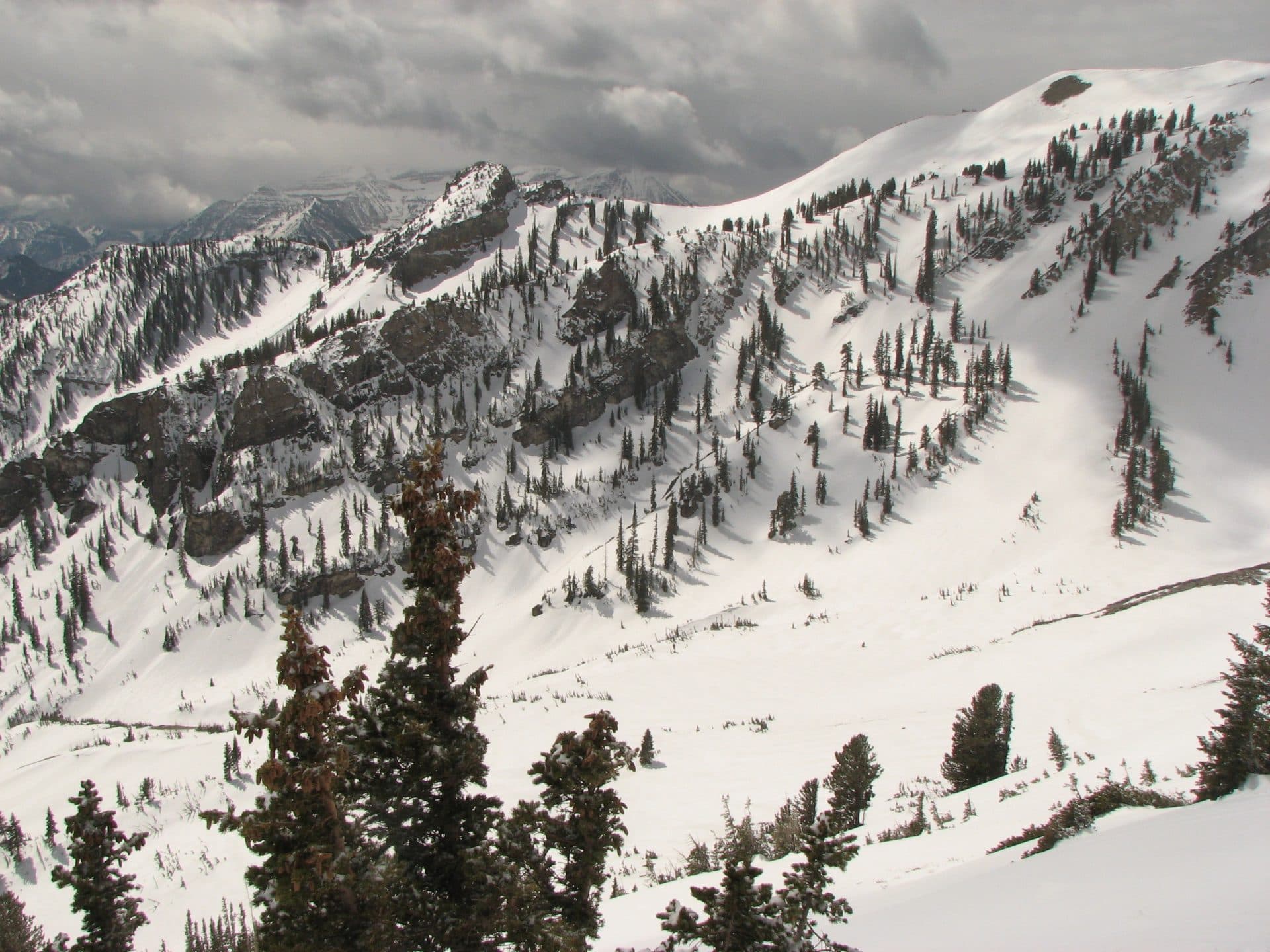
In April 2016, Snowbird Resort in Utah received approval from the Utah County Board of Adjustment to expand into Mary Ellen Gulch. This project promised a 500-acre addition, featuring two new chairlifts and an additional tram to serve the terrain southwest of Mineral Basin. According to SnowBrains, this expansion would have increased the resort's total skiable terrain by 20%. Despite the initial green light, the project has faced a decade of obstacles, including environmental reviews and vocal local opposition. As of now, the expansion remains unbuilt.

The Stagnation of Mt. Sunapee’s West Bowl
New Hampshire’s Mt. Sunapee also saw a major proposal in 2016. The "West Bowl" expansion aimed to add a 1,082-foot vertical drop, five new runs, a high-speed quad, and a full base area. Because the expansion was slated for state park land, it faced intense scrutiny from environmental groups. The situation shifted drastically in 2018 when Vail Resorts acquired the mountain. Under the new ownership, the expansion was notably absent from updated master plans, which pivoted toward snowmaking and infrastructure upgrades instead.
Sugarbush and the Slide Brook Backcountry
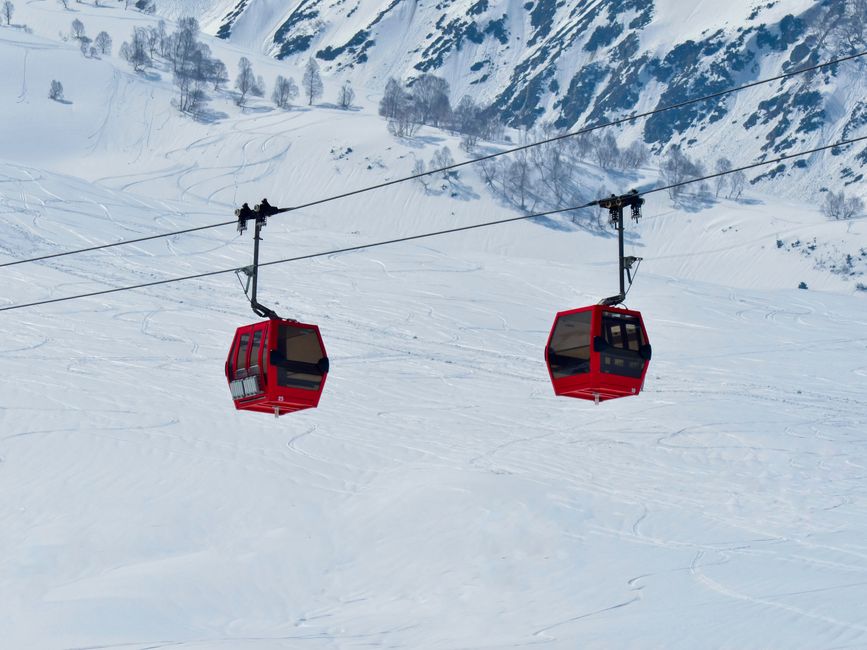
Perhaps the most long-standing proposal involves Sugarbush Resort in Vermont. Since 1982, rumors have swirled regarding the "Slide Brook" area, located beneath the resort's famous two-mile detachable quad lift. While the 2007 master plan explicitly detailed trails, glades, and a new lift to bring this backcountry terrain inbounds, the project has yet to materialize. The area remains a popular, albeit unpatrolled, destination for locals, highlighting the tension between resort development and the preservation of existing backcountry culture.
Why Projects Fail
The common thread among these stalled projects is the complexity of development on public land. Resorts operating on United States Forest Service property or state-owned land are subject to rigorous federal and state oversight. When these regulatory requirements are combined with shifting corporate goals and community feedback, even fully approved plans can be shelved. As the industry evolves, resorts continue to balance the desire for growth against the logistical and environmental realities of mountain development.