The 2026 ski season has been defined by extreme variability across the United States. According to reports from PlanetSKI and data compiled by SnowBrains, the US Rockies have endured a historically difficult winter, with the Colorado Climate Center labeling it the worst year for snowpack on record. While recent late-season storms have provided a brief reprieve, the moisture arrived too late to reverse the impact of a season defined by significant deficits.
The Rockies: Early Closures and Limited Operations
Utah and Colorado resorts have been particularly hard hit. In Utah, Snowbasin ended its season a month earlier than intended, while Deer Valley opted to close three weeks ahead of schedule. Colorado fared no better, with Aspen and Winter Park concluding operations on April 19th. Despite the challenges, some areas remain open for those seeking final turns:
- Brighton: Tickets available through May 3.
- Snowbird: Operating daily through May 3, then weekends only through Memorial Day (May 25).
- Copper Mountain & Loveland: Targeting April 26.
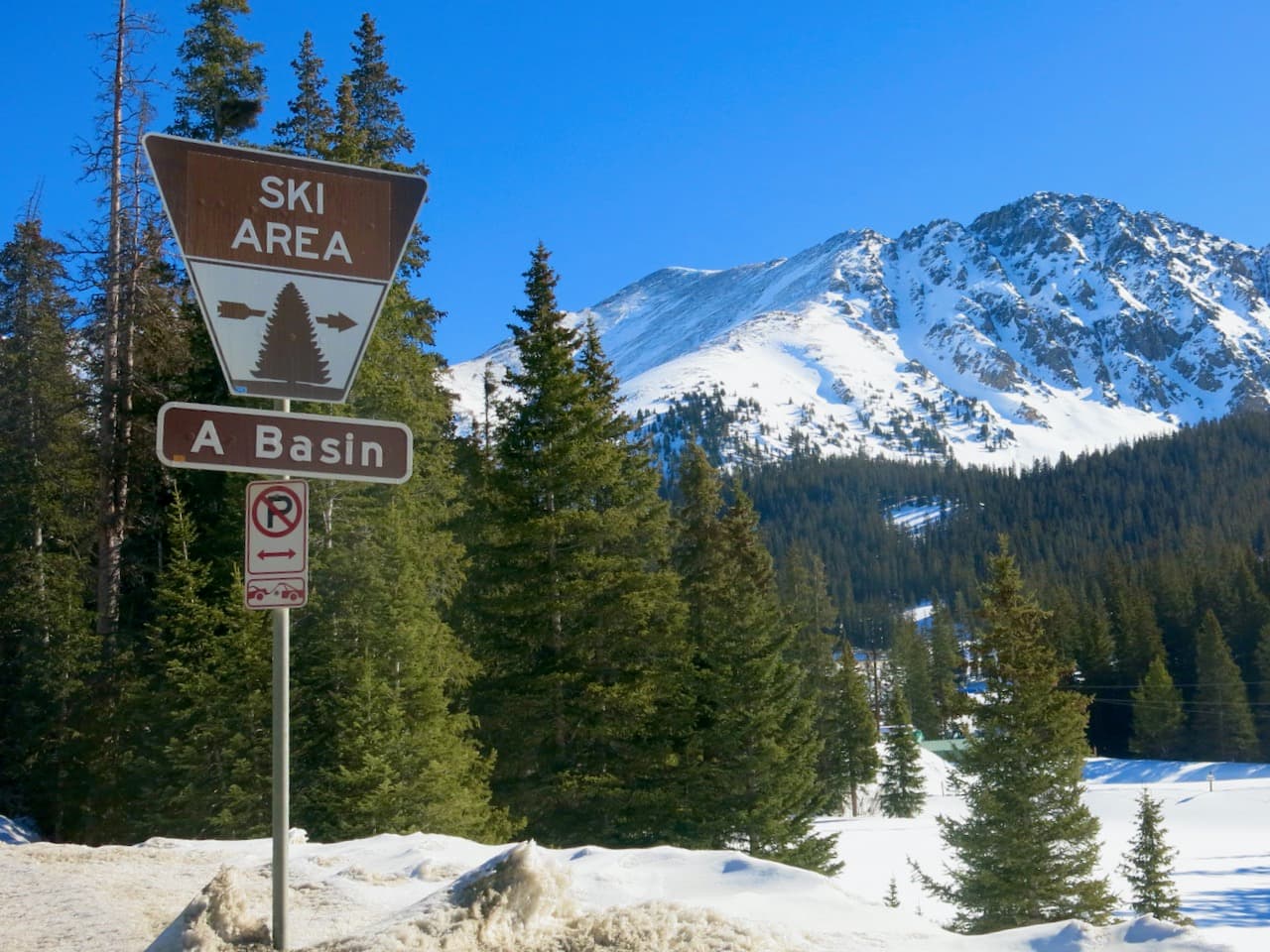
- Arapahoe Basin: Operating as long as conditions permit, with tickets currently available through May 3.
Meteorologist Cory Reppenhagen noted that while the season is the worst in 40 years for some areas, ski resorts have historically demonstrated resilience during lean winters, often adjusting operations to match current snow depths.
California and the West
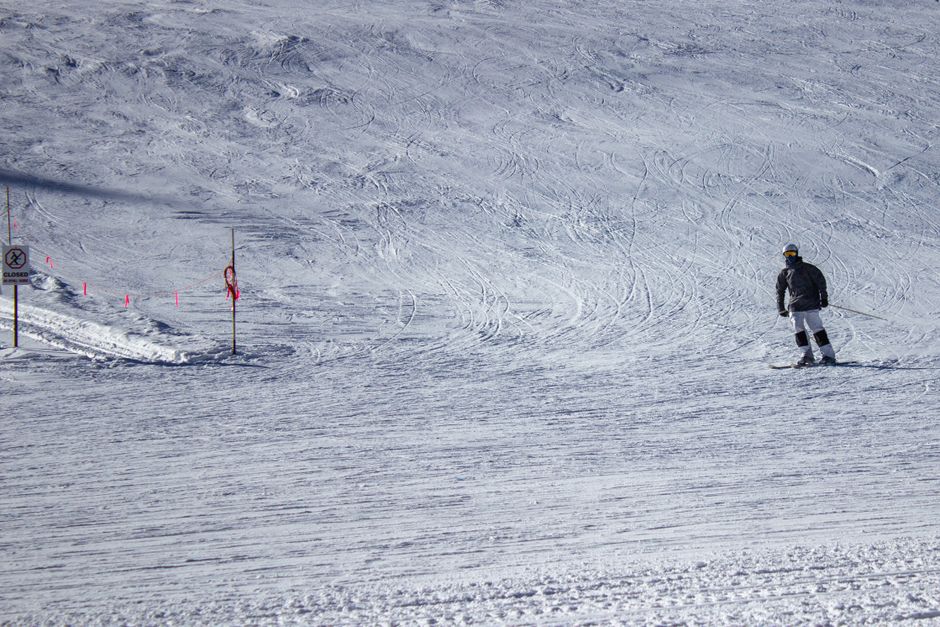
Conditions in California have been more favorable than in the Rockies. Mammoth Mountain is currently slated to continue operations through at least Memorial Day. Other resorts like Mt. Rose and Palisades Tahoe have focused on maximizing their remaining snowpack throughout late April, though Kirkwood ceased operations on April 19th.

A Stronger Finish in the East
In contrast to the western struggles, the Eastern United States has enjoyed a much more consistent winter. Many resorts in the region are leveraging this advantage to extend their seasons. Black Mountain (NH) is planning to stay open until May 25, while Jay Peak (VT) and Sugarbush (VT) are targeting early May. These extended dates provide a silver lining for East Coast enthusiasts looking to capitalize on late-season snowmaking and natural accumulation.


Environmental Impact
Beyond the ski industry, the late-season snow is vital for the broader ecosystem. As noted by PlanetSKI, this moisture is critical for regional water supplies heading into the summer months. While the recent accumulation will not fully erase the seasonal deficit, it serves as a necessary step for spring runoff and reservoir management.
Note: Mountain operations are subject to change based on real-time weather and snow conditions. Travelers are advised to verify current closing dates directly with individual resorts before booking trips.